66 Kilometers of Nothing but Coast: Riding Chiba's Kujukuri Beach Highway Before Everyone Else Finds It
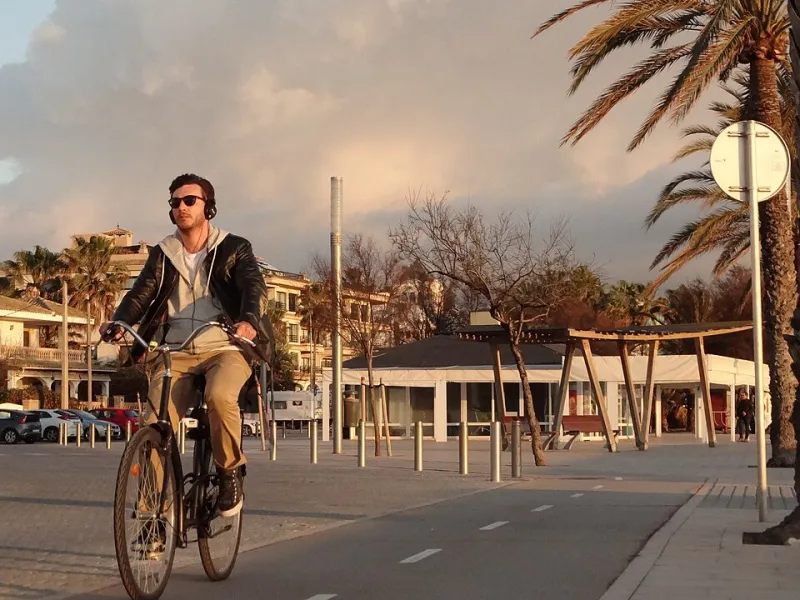
Photo: Sergi Coll, CC BY 2.0, via Wikimedia Commons
Somewhere between mile 12 and mile 30 of my ride down Chiba's Kujukuri coast, I had a thought I couldn't shake: why is nobody here? The Pacific Highway gets millions of visitors a year. Japan's Shimanami Kaido cycling route is so popular you sometimes pedal in traffic. And yet here I was, cruising a perfectly flat coastal road beside 66 kilometers of uninterrupted sandy beach, passing exactly zero tourists.
This is the Kujukuri coastline — and if you ride bikes, you need to know about it.
The Route, Start to Finish
The Kujukuri coast runs from Cape Gyobo in the north down to Cape Taito in the south, and the ride hugs the sand nearly the whole way. The full point-to-point run is about 66 kilometers — a genuine century-feeler at an easy pace, or a breezy half-day if you're fit.
Getting there from Tokyo: Take the JR Sobu Line or Keisei connection out toward Chiba, then local lines to either end of the route. Trains run regularly, and bringing a bike aboard is simple if it's bagged (a cheap "rinko bag" from any bike shop does the trick). Rent a road bike in Chiba City if you're flying in without gear — several shops cater to touring cyclists now.
Direction matters: Ride north to south with the wind at your back and the ocean on your left. Trust me on this.
Mile Markers Worth Stopping For
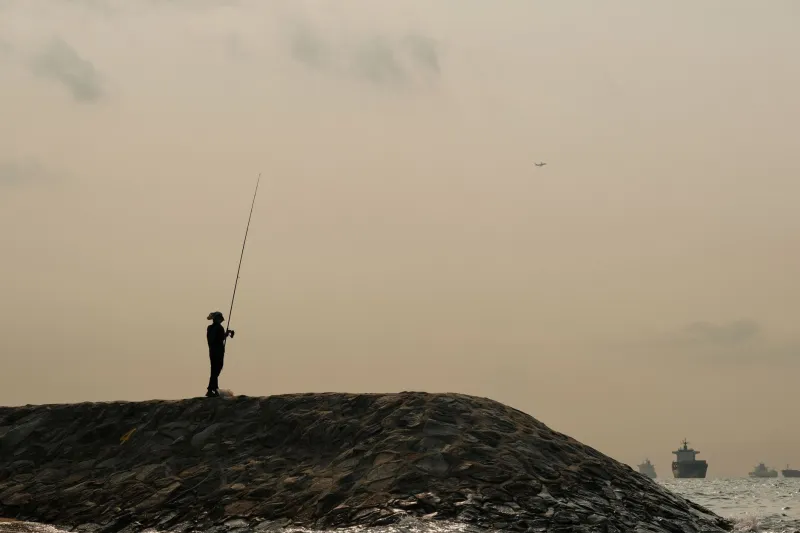
Kilometer 0–15: Fishing villages and morning catches. The northern end is all working harbors and salt-worn houses. Stop early — the morning auctions at small ports sometimes let visitors peek in, and the sashimi you'll eat later in the day is plucked from these boats.
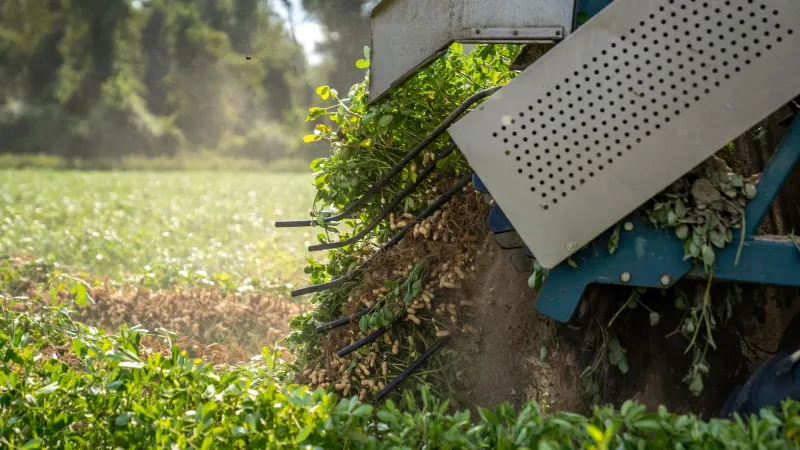
Kilometer 15–35: Peanut country. Here's what makes Kujukuri genuinely weird and wonderful: it's one of Japan's great peanut-growing regions, and the fields roll right up to the coastal road. In autumn, the harvest dries in golden rows along the roadside. Local shops sell roasted peanuts, peanut soft serve, peanut miso — lean in. It's the region's signature crop, and it's delicious.
Kilometer 35–50: Beach shack territory. Summer brings open-air snack huts right on the sand — grill-your-own seafood, shaved ice, cold beer with your feet in the sand. Even off-season, the little seafood restaurants just off the road serve grilled shallots (the local specialty) and fish caught that morning.
Kilometer 50–66: The long, golden finish. The southern stretch is the postcard: dunes, pines, and a road so flat you can watch surfers for minutes at a time without touching your brakes. Roll into the southern cape with the sunset behind you if you've timed it right.
Food Stops You'll Regret Skipping
- Grilled shallots with sweet miso — Kujukuri's scallions are famous across Japan, and the grilled versions slathered in miso are the region's comfort food.
- Beachfront peanut soft serve — sounds like a gimmick, tastes like a revelation.
- A sashimi teishoku at any harbor-side counter — the set lunches run about 1,500 yen and will ruin supermarket fish for you forever.
- Shirokuma shaved ice at a summer beach shack — condensed milk, fruit, sand between your toes.
Why Beat the Famous Routes
The Shimanami Kaido is beautiful, no argument. But it's also, on weekends, a parade. Kujukuri offers what those routes can't anymore: solitude. A flat, fast, ocean-hugging road where the only traffic is a farmer's truck and the only soundtrack is surf.
Bring a light layer, fill your bottles, and go on a weekday if you can. California's coast is lovely — but this one's got peanuts.