Groundnuts and Glory: Inside Chiba's Surprisingly Gourmet Peanut Revolution
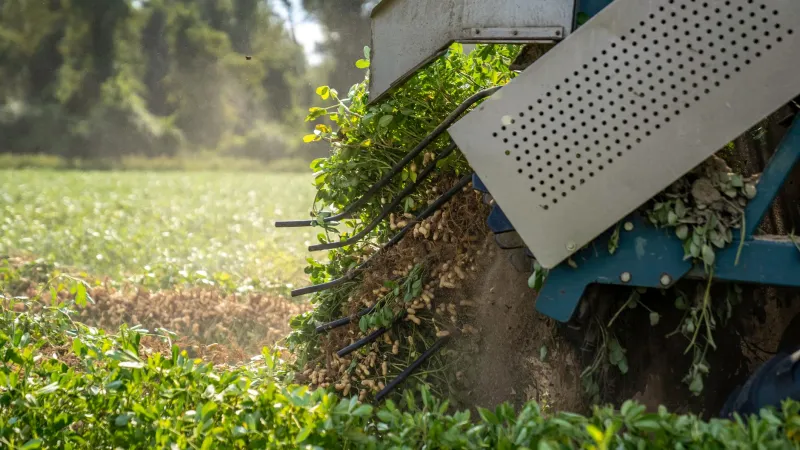
Most Americans picture peanuts as a baseball game staple or a sticky spoonful out of a jar. But travel about 30 miles east of Tokyo into the broad, flat farmland of Chiba Prefecture, and you'll find a deeply rooted peanut culture that's been quietly humming along for well over a century — and is now going through a full-on gourmet glow-up.
Chiba isn't just Japan's top peanut-producing region. It's essentially the only one that matters. The prefecture accounts for somewhere around 70 to 80 percent of Japan's domestic peanut harvest, with towns like Yachimata and Tomisato functioning as the beating heart of the industry. If you've ever snacked on Japanese peanut-based sweets — and once you try them, you will — there's a strong chance those nuts were grown in Chiba soil.
Why Chiba? The Geography That Started It All
The story goes back to the Meiji era, when peanut cultivation was introduced to Japan in the late 1800s. Chiba's Kanto Plain offered exactly the right conditions: well-drained, sandy loam soil, warm summers, and enough rainfall to coax the plants along without waterlogging them. Farmers figured out early on that this particular corner of Japan was practically tailor-made for legume cultivation, and the tradition stuck.
For much of the 20th century, Chiba peanuts were largely a commodity — sold in bulk, processed industrially, and consumed as everyday snacks without much fanfare. Boiled peanuts (known locally as yude-rakkasei) became a regional comfort food, particularly during harvest season. If you've never had a fresh-boiled peanut, imagine something closer to an edamame than a roasted nut — soft, slightly salty, almost creamy. It's the kind of thing Chiba locals get nostalgic about the way Southerners in the US talk about boiled peanuts from a roadside stand.
That's actually not an accident. The boiled peanut parallel between Chiba and the American South is one of those fun food-culture coincidences that makes the world feel a little smaller.
The Artisan Wave: From Commodity to Craft
Here's where things get interesting for food-obsessed Americans. Over the past decade or so, a younger generation of Chiba producers has started treating peanuts the way craft brewers treat hops or specialty roasters treat coffee beans — as an ingredient worthy of obsession.
Families that have been farming peanuts for three or four generations are now adding tasting rooms, direct-to-consumer sales, and small-batch processing operations. Some are growing heirloom varieties that disappeared from commercial production years ago, coaxing out flavor profiles that supermarket peanuts simply can't replicate. Think nuttier, more complex, with a richness that makes you stop mid-bite.
One standout example is the push toward single-origin peanut butter — yes, peanut butter — made from Chiba-grown nuts and sold in small jars with the farm name on the label. For Japanese consumers, this is a novelty. For Americans, it's a concept that translates instantly: we've been doing single-origin chocolate and small-batch nut butters for years. The difference is that Chiba's version carries the weight of a very specific agricultural legacy.
Then there are the snack makers. Chiba has no shortage of confectionery producers turning local peanuts into products that blur the line between traditional Japanese sweets and modern snacking. You'll find peanut miso pastes, peanut brittle reimagined with Japanese seasonings like soy sauce and yuzu, and roasted peanut varieties seasoned with everything from wasabi to black pepper and honey. Some of these are showing up in Japanese import stores stateside, and specialty food buyers in cities like New York, LA, and Seattle have started paying attention.
American Influence Running Both Ways
Here's the twist that makes Chiba's peanut scene especially fun to dig into: American food culture isn't just a passive audience for these products. It's actively shaping them.
Younger Chiba entrepreneurs are openly citing American snack trends as inspiration. The booming US market for flavored nuts, trail mixes, and protein-forward snacking has made its way into Chiba's product development conversations. A handful of producers have started packaging peanuts in resealable pouches with English-language labels, clearly eyeing export potential. One family-run operation in Yachimata reportedly started experimenting with a spicy-sweet chili-lime peanut after the founder noticed that flavor profile everywhere during a trip to California.
At the same time, there's a conscious effort to keep things rooted in Chiba's identity. The best producers aren't just chasing trends — they're finding the overlap between what makes their nuts distinctive and what international snackers are hungry for. That sweet spot, it turns out, is pretty wide.
What to Actually Try (and Where to Find It)
If you're planning a trip to Japan and Chiba is on your itinerary — and it should be, for about a dozen reasons beyond peanuts — the Yachimata area is ground zero for peanut tourism. Roadside farm stands sell fresh and boiled peanuts during harvest season (roughly October through November), and several farms offer tours and tasting experiences.
Back in the US, keep an eye on Japanese grocery stores like Mitsuwa and Marukai, which occasionally stock Chiba peanut products. Specialty food importers are slowly waking up to the opportunity here, so availability is improving. And if you stumble across anything labeled Chiba-san rakkasei — Chiba's peanuts — grab it without overthinking it.
For the snack obsessives among us, Chiba's peanut revolution is exactly the kind of story that makes food culture worth following. It's got history, craft, cross-cultural exchange, and genuinely delicious things to eat. What more do you need?
Chiba has always been more than Tokyo's overlooked neighbor. Its peanut farmers and artisan snack makers are just the latest reminder of that — one roasted, salted, occasionally yuzu-dusted handful at a time.