5 Dawn Patrols: Where Chiba's Night Fishers Chase the Bluefish Sunrise
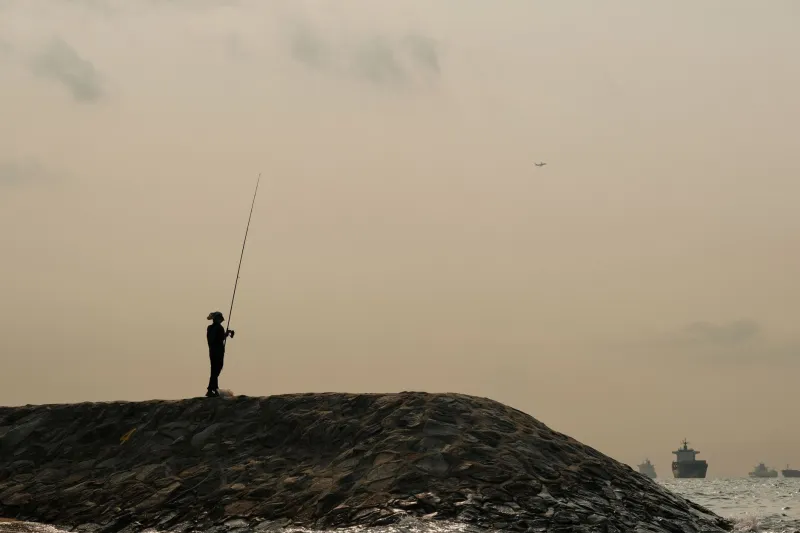
There's a moment, around 4:45 a.m. on the Choshi Peninsula, when the sky turns the color of a fresh bruise and the water below the cliffs starts to boil. That's the bluefish running. And if you look along the rocks, you'll see the silhouettes — twenty, thirty anglers who've been standing in the dark for an hour, waiting for exactly this.
Welcome to dawn patrol, Chiba style. Here are the five spots where the pre-dawn faithful gather, and the story of the culture that keeps them coming back.
1. Choshi Peninsula — The Cliff Carvers
Choshi juts into the Pacific like a fist, and its wave-battered headlands are legendary for yellowtail and bluefish (though locals will argue endlessly about which is the real prize). The anglers here are a hardy breed — many have fished the same rock ledge for thirty years. "The fish don't check the weather app," one told me, deadpan, as a squall rolled in. "Neither do I."
The payoff: when the run hits, it's not uncommon to limit out before the sun clears the horizon, and nothing — nothing — beats grilling a yellowtail you caught two hours earlier at sunrise.
2. Kujukuri Beach — The Sand Flat Pilgrims
Sixty kilometers of open beach south of Choshi, Kujukuri is where families and solo casters alike chase flounder and, in season, the beloved halfbeak. The sand flats are forgiving, which makes this the best spot for beginners. Arrive two hours before first light, walk until the crowd thins, and set up. The town behind the beach has some of the best seafood processing infrastructure in Japan — meaning the beachside breakfast joints open early and know exactly what to do with your catch.
3. Cape Nojima — Black Current Country
The warm Kuroshio current brushes close to Cape Nojima, and it changes everything. This is where Chiba's boat-and-shore anglers target species you'd normally associate with far southern waters. The cape's tide rips are famous, and the little harbor town has the weathered, salt-cured charm of a place that measures time in tides rather than meetings.
4. Tokyo Bay Ferry Piers — The Urban Anglers
Not every dawn patrol requires cliffs. Along the inner bay, piers near Funabashi and Kisarazu fill with rod-and-reel regulars chasing sea bass and smelt. It's fishing as a commuter ritual: cast before the first train, land a fish, clean up, clock in. Some of these anglers have done it every working morning for decades.
5. Tateyama's Sheltered Coves — The Recovery Waters
Down on the southern Boso coast, the coves around Tateyama offer calmer water and a slower rhythm. This is where a new kind of visitor has started showing up: American remote workers, burnt out on Zoom and time zones, booking multi-day fishing stays at minshuku guesthouses along the coast.
The Tackle Shop Is the Town Square
You can't understand Chiba's fishing culture without understanding its tackle shops. These aren't big-box stores — they're cramped, rod-lined dens run by owners who know every rock, every tide table, every regular's kids' names. They sell bait at 3 a.m., repair reels behind the counter, and post hand-drawn maps of where the fish bit yesterday. In an age of algorithmic everything, the tackle shop remains stubbornly, wonderfully analog. Show up as a stranger, ask a dumb question, and leave with a spot recommendation and an invitation to a barbecue.
Why Americans Are Booking Fishing Stays
The remote-work diaspora has found something here it didn't know it was looking for. A pre-dawn fishing session is the opposite of the notification economy: no screens, no feeds, just tide, line, and patience. Several guesthouses on the Boso coast now cater to English-speaking visitors, pairing lodging with gear, guides, and — crucially — someone to cook what you catch.
One visitor from Denver put it to me this way, holding a coffee on the Choshi seawall as the sun came up: "I checked my phone twice yesterday. Twice. I haven't done that since 2015."
The fish, of course, don't care why you came. But the sunrise over the Pacific doesn't ask either. It just shows up, every morning, whether you're there or not. In Chiba, more and more people are deciding to be there.