Lost on Purpose: The Chiba Seed Keepers Bringing Imperial Vegetables Back to Life
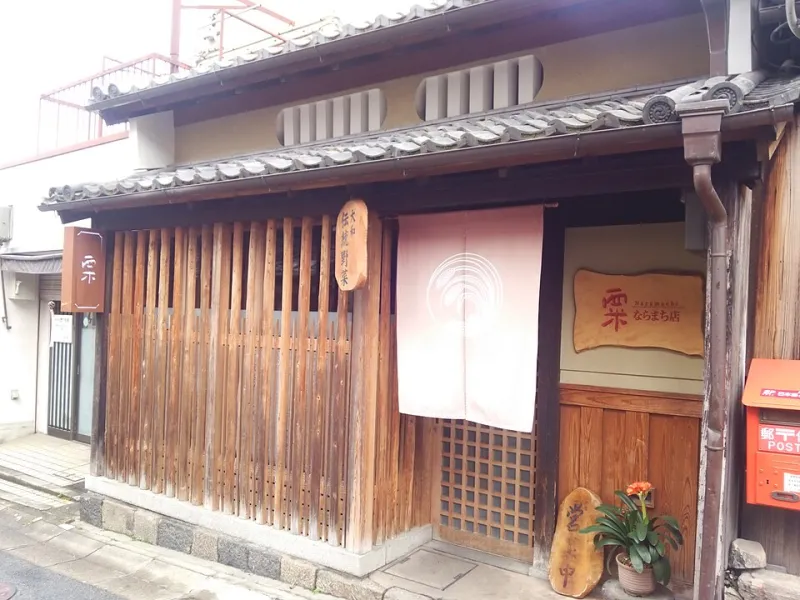
Photo: Uo3rt, CC BY-SA 4.0, via Wikimedia Commons
Picture a farmers market somewhere in, say, Vermont or Northern California. The kind where someone's selling purple carrots and striped heirloom tomatoes with names like "Mortgage Lifter" and "Cherokee Purple." There's a whole culture around that in the US — the idea that old varieties taste better, carry stories, and deserve saving. Japan has the same thing, but it's quieter, more understated, and in Chiba Prefecture, it's happening in ways that are genuinely worth paying attention to.
Chiba isn't typically the first place people think of when they imagine Japanese culinary heritage. That spotlight tends to fall on Kyoto, where ancient kaiseki traditions and centuries of imperial influence shaped a food culture that the world still romanticizes. But Chiba has its own deep agricultural roots — and some of the vegetables that once appeared on imperial banquet tables actually originated here, in the flat, fertile plains and coastal growing zones that spread east of Tokyo Bay.
For much of the 20th century, those vegetables nearly vanished.
How Japan's Agricultural Modernization Almost Erased a Food Legacy
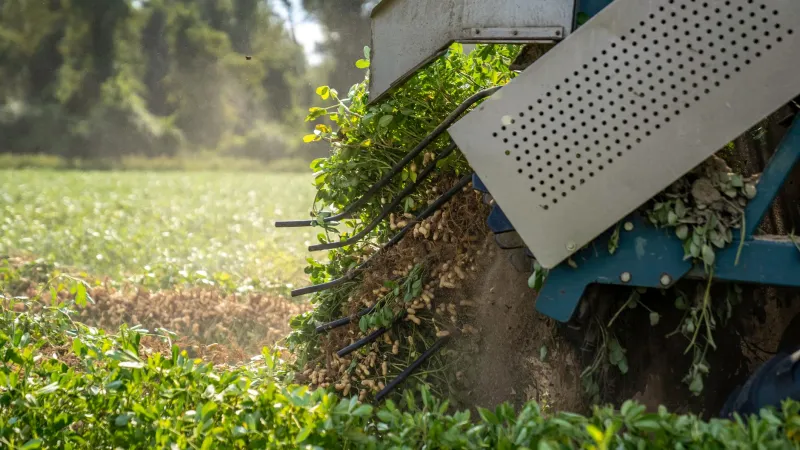
After World War II, Japan rebuilt its agricultural system with efficiency in mind. High-yield hybrid crops replaced slower-growing heirloom varieties. Standardized shapes and sizes became the norm because they shipped better and looked more uniform in stores. The logic was practical — Japan needed to feed a lot of people quickly — but the cultural cost was steep. Hundreds of regional vegetable varieties quietly disappeared from fields, seed catalogs, and eventually from memory.
Chiba was no exception. Varieties of daikon radish, kabu turnip, and burdock root that had been cultivated in specific Chiba villages for generations were simply abandoned. Some survived only because elderly farmers kept growing them in small backyard plots, more out of habit than any grand preservation mission. Others clung to existence in the collections of a handful of seed banks and agricultural universities.
That's where the current revival picks up its thread.
The Farmers Who Decided Old Seeds Were Worth the Trouble
Growing heirloom vegetables is, bluntly, harder than growing modern hybrids. Yields are lower. The plants can be fussier about soil and weather. And because the vegetables often look unusual — knobby, asymmetrical, colors that don't match consumer expectations — selling them through conventional retail channels is a headache. So the farmers who've committed to this work have had to get creative.
Across Chiba's interior farming communities, a loose network of small-scale growers has been quietly rebuilding seed stocks and cultivation knowledge over the past decade or so. Some of them connected through agricultural co-ops, others found each other online. A few stumbled into the work almost accidentally, inheriting seeds from grandparents and deciding to figure out what exactly they had.
One of the most compelling aspects of this movement is the direct-to-consumer approach these farmers have adopted. Weekly subscription boxes, farm visit programs, and online storefronts have let them bypass the supermarket system entirely and speak directly to customers who actually care about what they're buying. It's a model that will feel familiar to anyone who's ever signed up for a CSA box in the US — the idea that a relationship between grower and eater matters as much as the product itself.
When Avant-Garde Chefs Come Knocking
It didn't take long for Chiba's heirloom vegetable revival to catch the attention of chefs. Japan's restaurant scene has been quietly obsessed with hyper-local, historically grounded ingredients for years, and the idea of cooking with vegetables that have an imperial pedigree is exactly the kind of story that resonates with a certain type of ambitious kitchen.
Several Tokyo-based restaurants with serious culinary reputations have started sourcing directly from Chiba's seed-keeper farms, but the more interesting partnerships are happening closer to home. Chiba has its own growing dining scene — not as splashy as the capital's, but increasingly confident — and local chefs have been among the first to experiment with these rediscovered ingredients.
The flavor profiles are genuinely different from what you'd find in a standard grocery store. Heirloom varieties often have more complexity — bitterness, earthiness, or sweetness that shows up in layers rather than all at once. A traditional Chiba kabu, for instance, carries a subtle peppery note that modern turnip varieties have largely bred out in favor of mild, crowd-pleasing sweetness. For a chef trying to build a dish with nuance, that kind of ingredient is worth the sourcing effort.
Teaching the Next Generation Why It Matters
The seed-keeper movement in Chiba has also developed an educational dimension that feels important for its long-term survival. Several farms have opened their gates to school groups, culinary students, and curious visitors who want to understand where food actually comes from — and why variety matters.
These visits aren't just feel-good farm tours. Farmers walk guests through the specific history of what they're growing: which village a particular radish variety came from, what court records or agricultural texts mention it, how cultivation methods have been adapted over centuries to suit Chiba's specific soil and climate. It's food education that connects flavor to place to history in a way that's hard to replicate in a classroom.
For younger Japanese people who've grown up in a food system dominated by convenience stores and supermarket uniformity, these encounters can be genuinely eye-opening. And for international visitors — yes, some do make the trip out from Tokyo specifically for this — there's something quietly profound about holding a seed that connects directly to Japan's imperial past.
What This Looks Like on a Plate
If you want to actually taste what all this effort produces, your best bets in Chiba are the farm-direct markets that pop up in various locations around the prefecture, particularly during autumn harvest season. Some farms also offer simple on-site meals or tasting experiences where the vegetables are prepared in traditional ways — nothing fussy, just honest cooking that lets the ingredient speak.
The flavor revelation tends to hit people differently. Some visitors describe it as tasting vegetables "the way they're supposed to taste," which is a bit vague but emotionally accurate. Others are surprised by how unfamiliar some of the flavors are — a reminder that our palates have been shaped by decades of standardized produce without us really noticing.
Either way, the experience tends to stick with you. That's probably the whole point.
Chiba's heirloom vegetable movement isn't loud or flashy. It doesn't have a celebrity chef ambassador or a viral social media moment driving it. It's just a group of farmers who decided that certain things were worth keeping alive, and a growing circle of chefs, eaters, and curious travelers who agree with them. In a food world that sometimes feels overwhelmed by trends and spectacle, there's something genuinely refreshing about that.