Beyond Tokyo: Why Chiba's Ramen Scene Is the Best-Kept Secret in Japan
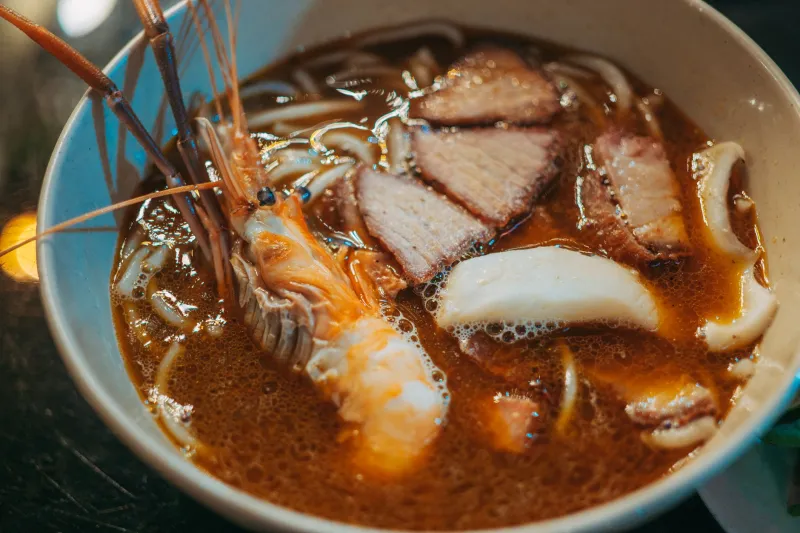
There's a moment every serious food traveler knows — the one where you stumble into a place nobody told you about, order something almost by accident, and end up sitting there in stunned silence, spoon hovering mid-air, wondering why this spot isn't on every "best of Japan" list ever written. In Chiba Prefecture, that moment happens a lot. And it happens most often over a bowl of ramen.
Chiba doesn't get the headlines. It's the prefecture that millions of travelers fly over when they land at Narita, the stretch of coastline and farmland and mid-sized cities that most tourists mentally fast-forward through on their way to Tokyo. But locals — and a growing number of in-the-know food writers — have been whispering about Chiba's ramen scene for years. It's time to say it out loud: Chiba is quietly producing some of the most inventive, most soulful, most flat-out delicious ramen in Japan.
We sat down (and slurped up) with three chefs who are leading the charge.
Umami From the Ground Up: Miso That Starts at the Source
About twenty minutes outside central Chiba City, tucked between a rice field and a narrow road that Google Maps will absolutely try to reroute you away from, sits Koji-ya Ramen. The shop seats maybe fourteen people. The menu has four items. And the miso broth will make you question every bowl you've had before it.
Head chef Takashi Moriwaki, 44, spent eight years working at a traditional ramen-ya in Sapporo before moving back to his hometown of Chiba and making a decision that raised a few eyebrows: he would build his signature broth entirely around miso sourced from a local brewery — Marufuku Jozo, a family-run fermentation house that's been operating in Chiba's Katori region since the 1880s.
"Most ramen shops use miso from big commercial suppliers," Moriwaki told us, ladling a test portion with the practiced calm of someone who's done it ten thousand times. "But Marufuku's miso has a depth you can't manufacture. It's aged longer, it's made from local soybeans, and it carries the character of this specific place. When I use it in the broth, the bowl tastes like Chiba. That's what I want."
The result is a tonkotsu-miso hybrid that's richer than your average Sapporo-style but lighter than a full Hakata pork bone soup — complex without being heavy, with a faint sweetness that lingers long after the last noodle. Moriwaki pairs it with hand-pulled noodles made fresh each morning and a soft-boiled egg marinated in local soy sauce. Simple. Devastating.
Practical info: Koji-ya Ramen is open Wednesday through Sunday, 11 a.m. to 2:30 p.m. (or until sold out, which happens fast on weekends). Cash only. No reservations. Get there early.
Tokyo Bay on a Spoon: Seafood Ramen That Tastes Like the Coast
Chiba wraps around the eastern and southern edges of Tokyo Bay, and its fishing communities have been harvesting clams, sea bream, and surf clams from those waters for centuries. It's a culinary heritage that most ramen chefs have historically ignored — until Shio-to-Umi, a small shop in the port town of Kisarazu, started doing something genuinely radical: building an entire ramen concept around the day's catch.
Chef Yuki Hamada, 38, grew up watching her father work the bay as a clam fisherman. She trained at a French restaurant in Yokohama before pivoting hard back to Japanese technique and opening Shio-to-Umi six years ago. Her flagship bowl — a crystal-clear shio (salt) broth made from steamed asari clams, kombu, and a whisper of yuzu — looks almost too delicate to be ramen. One sip changes that impression immediately.
"Asari from Tokyo Bay have a salinity and sweetness that's completely different from farmed clams," Hamada explained, adjusting the temperature on her broth with the focused attention of someone conducting a science experiment. "The sea itself is the seasoning. I'm just trying not to get in the way of it."
Her menu rotates with the seasons and the catch. In summer, surf clam and shiso. In winter, a deeper, smokier version built on dried sardines from Chiba's Pacific-facing Choshi port — Japan's largest fishing harbor and a source of some of the country's best niboshi (dried fish). Every bowl comes with house-made thin noodles and a garnish of fresh herbs from a small garden behind the shop.
For American visitors, Hamada's ramen is a revelation — it's the kind of clean, seafood-forward flavor profile that feels almost more familiar to people who've had good New England chowder or a well-made bouillabaisse than the heavy pork bombs most Westerners associate with the dish.
Practical info: Shio-to-Umi, Kisarazu. Open Thursday through Monday, lunch and dinner (check their Instagram for seasonal hours). A short walk from Kisarazu Station on the JR Uchibo Line.
The Old Ways, Turned Sideways: A Third-Generation Shop With a New Playbook
Not every innovator tears things down. Sometimes the most interesting creative act is taking something inherited and asking: what if we pushed it just a little further?
That's the philosophy driving Nishimura Shokudo, a ramen shop in Ichikawa that's been in the same family for three generations. Current chef Kenji Nishimura, 51, grew up eating his grandmother's shoyu ramen and spent decades maintaining her recipe almost exactly. Then, about four years ago, he started experimenting — and the results have turned Nishimura Shokudo into one of the most talked-about spots among Chiba's food community.
Nishimura's twist: he began incorporating Chiba's agricultural bounty directly into the broth and toppings. Peanuts from Chiba (the prefecture is Japan's top peanut producer, a fact most visitors don't know) go into a roasted peanut tare that adds a subtle nuttiness to his grandmother's original soy base. Locally grown lotus root gets sliced thin and fried as a topping. Seasonal vegetables from farms in the Togane area rotate through the bowl depending on the month.
"My grandmother's recipe is the foundation," Nishimura said, sitting across from us in the same dining room where his family has been serving bowls for fifty years. "But Chiba has so much to offer. I felt like I was leaving things on the table by not using more of it."
The resulting bowl is warm, nostalgic, and quietly surprising — like a classic song performed in a slightly different key. It's accessible enough for ramen newcomers and interesting enough to hold the attention of people who've been eating their way through Japan for weeks.
Practical info: Nishimura Shokudo, Ichikawa City. Easy access from Ichikawa Station on the JR Sobu Line — one of the most convenient Chiba ramen stops for travelers based in Tokyo.
Planning Your Chiba Ramen Trip
All three of these shops are reachable from central Tokyo in under an hour by train, making Chiba a genuinely viable day-trip ramen destination. A few things to keep in mind:
- Get there early. Smaller shops in Japan often sell out before official closing time. Noon arrivals are safer than 1:30 p.m. gambles.
- Bring cash. Card acceptance is improving across Japan but not guaranteed at smaller family operations.
- Check social media before you go. Seasonal closures, menu changes, and sold-out announcements often appear on Instagram or Twitter/X rather than official websites.
- Learn one phrase: Osusume wa nan desu ka? — "What do you recommend?" The chefs at all three spots light up when visitors show genuine curiosity.
Chiba doesn't need to compete with Tokyo. It doesn't need to be on a listicle or win a Michelin star to validate what's happening in its kitchens. The bowls speak for themselves — and if you're willing to take the train east and look past the obvious, they'll be speaking to you soon enough.