Three Generations and a Single Maple: Inside Chiba's Quiet Cult of Bonsai
The alarm goes off at 4:30 a.m., but Master Hiroshi Tanabe has been awake for an hour. He makes green tea, drinks it standing at his workshop window, and watches the light come up over his nursery in rural Chiba — three hundred trees in various states of becoming.
"People think I shape the trees," he told me, grinning through the fog of his breath in the cold. "That's wrong. I only make suggestions. The tree decides over ten, twenty, thirty years whether to accept them."
A Tree Is a Multi-Decade Conversation
Tanabe's most famous specimen is a trident maple his grandfather started wiring in 1958. His father refined it. Tanabe has been adjusting it for the past thirty years. If all goes to plan, his daughter will make the next round of decisions sometime in the 2040s. The tree, by bonsai standards, is still young.
That timeline is the first thing that shocks American visitors. We live in a culture where a startup can go from garage to acquisition in five years. Here, a single branch might be positioned over eight growing seasons, bent a few millimeters at a time with copper wire, coaxed toward an ideal that exists only in the grower's imagination.
"Americans ask me, 'When is it finished?'" Tanabe laughs. "Never. It's finished when it dies. Until then, it's a conversation."
Why Collectors From California Are Wiring Wire Transfers
Over the past decade, Chiba-grown bonsai have developed a devoted following in the US. Collectors in California, Texas, and the Pacific Northwest now routinely pay five figures — sometimes well into six — for trees from the prefecture's small network of nurseries.
The reasons are part geography, part philosophy. Chiba's mild coastal climate, buffered by the Kuroshio current along the Boso Peninsula, is ideal for the species collectors covet: Japanese black pines, trident maples, satsuki azaleas. But the real draw is lineage. Unlike some production-scale growers, Chiba's masters tend small collections intensively, often keeping trees for decades before offering them for sale. You're not buying a plant; you're buying a provenance.
One Los Angeles-based dealer I spoke with compared it to the market for vintage watches. "Anyone can make a new dive watch," he said. "Nobody can fake sixty years of careful hands."
The Unlikely Antidote to the Scroll
There's a deeper reason bonsai resonates right now, and it has nothing to do with aesthetics. In a world engineered for instant feedback — same-day delivery, infinite scroll, autoplay — bonsai is a discipline where the feedback loop is measured in years.
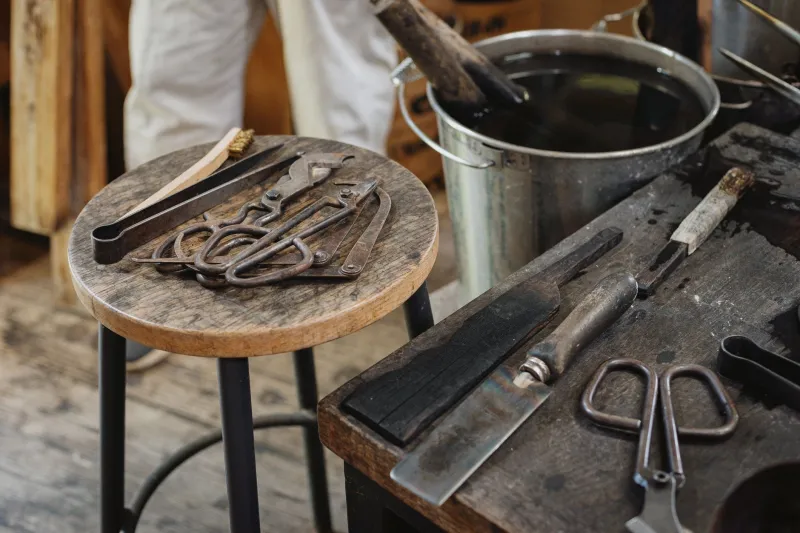
Tanabe describes the daily ritual as closer to meditation than horticulture. Watering, checking wire tension, pinching back new growth: two or three hours of repetitive, attentive work before breakfast. "Your hands learn patience before your mind agrees to it," he says.
It's no coincidence that bonsai workshops in Chiba have seen a surge of foreign visitors, many of them burned-out tech workers who describe the experience in language that sounds suspiciously like recovery. You cannot rush a tree. You cannot optimize it. You show up, you do the small work, and you trust time.
For Tanabe, that's the whole point. His grandfather's maple has outlived two emperors' reigns, an economic bubble, and a pandemic. It will outlive Tanabe too. "That's not sad," he says, resting a hand on the trunk the way you'd greet an old friend. "That's the gift. I get to be one chapter in a very long book."
If you find yourself in Chiba, some nurseries welcome respectful visitors by appointment — and a few even offer half-day workshops for beginners. Bring nothing but curiosity. The patience, they'll tell you, comes later.