Steel Balls, Flashing Lights, and Something Almost Sacred: Inside Chiba's Pachinko World
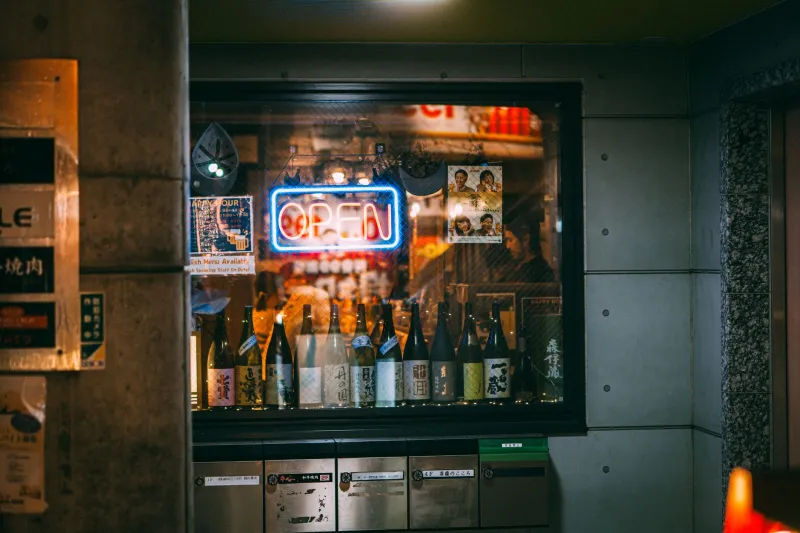
Walk past any major train station in Chiba and you'll hear it before you see it — that cascading roar of thousands of tiny steel balls ricocheting through illuminated machines. Pachinko parlors are as much a part of Chiba's urban fabric as its rice paddies and fishing ports, yet most Western visitors walk right by without a second glance, maybe wincing slightly at the noise, maybe wondering what exactly is happening inside those neon-drenched rooms.
We went inside. And we stayed a while.
What Even Is Pachinko?
For American readers who've never encountered it, pachinko sits somewhere between a slot machine and a pinball table — though die-hard players will tell you that comparison undersells it badly. You rent a tray of small steel balls, feed them into a vertical playing field packed with pins and obstacles, and try to land them in certain pockets that trigger cascading jackpots. Win enough, and you walk away with more balls. Those balls are exchanged for prizes — and through a famously winking legal workaround, those prizes can often be converted into cash at a separate booth just outside the parlor.
It's technically gambling. It's technically not gambling. Japan has maintained this productive ambiguity for decades, and nobody seems particularly eager to resolve it.
The Parlors Themselves: A Sensory Overload With a Heartbeat
Step through the sliding doors of a Chiba pachinko parlor and your senses immediately stage a protest. The noise is the first thing — a wall of metallic clattering layered beneath J-pop remixes and machine sound effects cranked to stadium volume. The light is next: rows upon rows of machines strobing in blues and pinks and golds, anime characters mid-battle across a hundred individual screens. The air carries a particular smell — recycled and faintly electric, like the inside of an arcade that never closes.
But look past the spectacle and something quieter emerges. Rows of players sit with the focused stillness of people doing something they genuinely love. An older man in his seventies adjusts the dial on his machine with the precision of a watchmaker. A woman in her thirties sips canned coffee without taking her eyes off the display. A group of salary workers, still in their office clothes, decompress after what was clearly a long Tuesday.
Kenichi Mori, who has owned a mid-sized parlor near Chiba Station for over twenty years, describes his regulars with obvious affection. "People think it's just gambling, but that's not it," he says, sweeping his hand across the floor. "For a lot of my customers, this is the place where nobody asks anything of them. They come here to breathe."
The Psychology of the Machine
Pachinko's grip on its players is something researchers have spent considerable time trying to understand. The game is engineered — in ways that would be immediately recognizable to anyone who's studied casino design — to create a sense of near-constant almost-winning. Digital displays flash bonus rounds. Characters from beloved anime franchises cheer you on. The machines themselves are licensed from TV shows, manga, and movies, wrapping the gambling mechanism inside a warm shell of nostalgia.
For many Chiba residents who grew up watching Evangelion or Fist of the North Star, sitting down at a machine featuring those characters isn't just playing a game — it's a reunion of sorts. The parlors understand this completely. Walk the floor of any large Chiba venue and you're essentially walking through a museum of Japanese pop culture, one where every exhibit is also trying to take your money.
That tension — between comfort and compulsion — is part of what makes pachinko so fascinating to observe. The industry has faced real scrutiny over addiction and financial harm, and it's a conversation happening loudly in Japan right now. Mori acknowledges it directly. "We have responsibility," he says. "We post limits. We talk to people who we think are struggling. But most of my customers are here for the same reason someone in America goes bowling. It's just what they do."
A Community in the Noise
One thing that surprises Western visitors who actually spend time inside a Chiba parlor is how social the experience can be — in a specifically Japanese way. Players don't necessarily talk much. But there's a shared language of nods, of watching someone hit a big bonus round and sharing a moment of wordless acknowledgment. Regulars know each other. Staff members remember who plays what machine.
Hiroko Tanaka, 58, has been coming to the same parlor in Inage for eleven years. She started after her husband passed away and she found herself with long evenings and too much quiet. "It's not about winning," she says firmly, in a way that suggests she's explained this before. "I know this machine. I know the people here. It's familiar." She pauses, watching the display. "Familiar is good."
That sense of ritual and belonging is something the parlors actively cultivate. Many Chiba venues offer loyalty programs, seasonal decorations, and special events tied to new machine releases — which are treated with the kind of anticipation Americans might reserve for a new iPhone drop or a sneaker collab.
What Western Visitors Actually Experience
If you're visiting Chiba from the US and you're curious, the bar for entry is genuinely low. Most parlors have staff who can walk you through the basics, and the machines themselves have become increasingly intuitive over the years. Budget a modest amount — think of it like buying tokens at an arcade — and settle in for twenty or thirty minutes. You probably won't win big. You might not understand everything happening on the screen. But you'll come away with a texture of daily Japanese life that no guidebook really captures.
The experience is loud and bright and a little overwhelming, and then, slowly, it isn't. You find a rhythm. You watch the balls fall. You understand, in some small way, why people keep coming back.
The Future Is Still Flashing
Pachinko's broader industry has been contracting in Japan for years — peak parlor numbers in the 1990s were roughly triple what they are today. Younger generations have more entertainment options competing for their attention and their yen. Regulatory pressures have tightened. Some of Chiba's older neighborhood parlors have shuttered, their neon signs going dark.
And yet the ones that remain are busy. They've adapted — better machines, stronger IP licenses, cleaner spaces. Mori recently renovated his entire floor and says business is steadier than it's been in a decade. "People said pachinko was dying twenty years ago," he shrugs. "It's still here."
So is the sound. So are the lights. So are the people sitting in their rows, doing the thing they do, in the specific way that only happens here — in Chiba, in Japan, in a room that the rest of the world mostly walks past without looking.