The Harbor That Dropped the Beat: Inside Chiba's Surprisingly Thriving Techno Underground
If you've spent any time digging through underground electronic music forums or following Japanese DJ culture from the US, you've probably heard whispers about a scene bubbling up east of Tokyo. Not in the neon-lit corridors of Shibuya or the well-documented club districts of Shinjuku — but somewhere grittier, more salt-aired, and a lot less Instagram-friendly. That place is Chiba, and if you haven't been paying attention, you've been missing one of the most fascinating musical stories in Asia right now.
Chiba Prefecture hugs the eastern edge of Tokyo Bay, and its port city energy — container ships, fishing docks, the constant industrial hum of a working waterfront — has seeped directly into the music its residents are making. There's a texture to Chiba techno that you can almost feel physically. It's not the polished, festival-ready sound that gets exported to European stages. It's heavier, more repetitive in the best possible way, and built for rooms where the ceiling is low and nobody's checking their phone.
Why Chiba? The Economics of Underground Culture
Here's the thing that US music fans might find instantly relatable: real estate economics shape music scenes more than any manifesto or aesthetic movement ever could. Think about how Detroit's abandoned factories gave birth to techno, or how New York's cheap downtown lofts incubated no wave and hip-hop. Chiba's story follows a similar logic.
Venue costs in Chiba run significantly lower than comparable spaces in central Tokyo. A warehouse-style space near the waterfront that might go for a small fortune in Shibuya becomes genuinely affordable in Chiba's port districts. That financial breathing room lets promoters take risks — booking unproven local acts, investing in proper sound systems, running nights that don't need to pack 500 people just to break even. The result is a circuit of smaller, more intentional venues where the music actually matters.
Local DJ and producer Kenji Mori, who has been running nights in the area for nearly a decade, puts it plainly: "Tokyo is for showcasing. Chiba is for building." That distinction matters. The scene here isn't trying to compete with Tokyo's internationally recognized clubs — it's doing something different, cultivating artists over years rather than cycling through trends.
The Waterfront Venues Rewriting the Rules
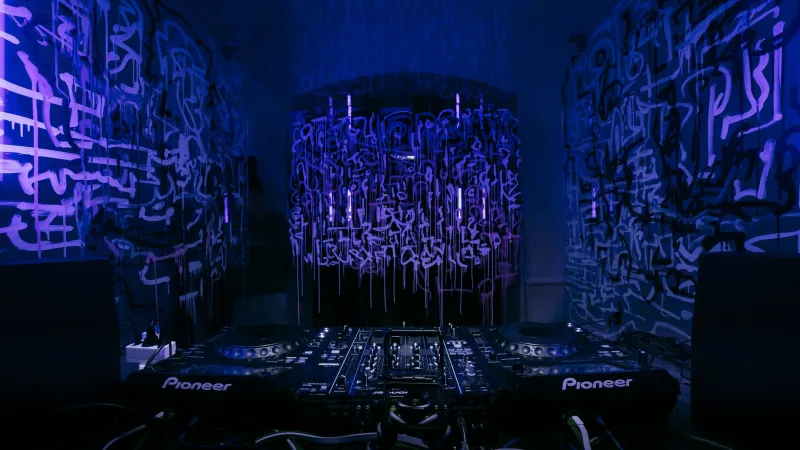
Chiba's electronic music geography is loosely clustered around a few key zones. The area near Chiba Port, with its repurposed industrial architecture, has become particularly fertile ground. Some venues occupy former storage facilities, their high ceilings retrofitted with serious speaker arrays that would make any audio engineer nod approvingly. Others are deliberately minimal — basement spaces where the sound system is the entire design philosophy.
What's striking to anyone who visits from the US is how community-oriented these spaces feel. This isn't the velvet-rope, table-service model that dominates American nightlife in cities like Vegas or Miami. It's closer in spirit to the DIY warehouse culture of cities like Detroit or Chicago — places where the music came first and the business model came second, if at all.
The Chiba waterfront also benefits from a certain anonymity. International music tourists in Japan tend to gravitate toward Tokyo's known destinations, which means Chiba's clubs fill up with actual locals and serious music heads rather than curious visitors doing nightlife tourism. That insular quality has allowed the scene to develop its own internal logic, its own hierarchy of respected artists, its own unwritten rules about what belongs on a dancefloor at 4am.
Local Artists Going Global
The producers coming out of Chiba's underground are increasingly catching ears far beyond Japan. Artists like Yuki Tanaka and the production duo known as Coastal Static have had their tracks picked up by European labels that specialize in the harder, more industrial end of the techno spectrum. For context, these are labels that also release music from artists in Berlin, Manchester, and Detroit — cities with deeply established electronic music pedigrees.
What's drawing international attention isn't novelty or exoticism. It's quality and distinctiveness. Chiba's producers are making music that stands on its own terms, and the waterfront-influenced sonic palette — those low, rolling bass frequencies, the almost oceanic sense of rhythm — translates across cultural borders in a way that's genuinely exciting to witness.
Several Chiba-based DJs have now played at festivals in Europe and Southeast Asia, and the feedback loop is interesting: international exposure is bringing new ideas back into the local scene without diluting what made it special in the first place. That's a tricky balance to maintain, and the community seems genuinely aware of the risk.
The Tight-Knit Community Behind the Sound
Maybe the most important ingredient in Chiba's underground success is something that can't be manufactured: genuine community. The artists, promoters, sound engineers, and regular attendees who make up this scene largely know each other. There are collaborative relationships between producers that span years. Mentorship happens organically, with established artists investing real time in helping newer ones develop.
This social fabric creates a kind of quality control that formal institutions can't replicate. When everyone knows everyone, reputations matter. You can't fake your way through a Chiba warehouse night if the people in the room have been watching you develop for three years. That accountability, uncomfortable as it sometimes is, pushes artists to grow.
For US readers who've followed the histories of scenes like Chicago house or Baltimore club music, this dynamic will feel familiar. Great music scenes are almost always built on personal relationships and shared geography before they're built on anything else.
How to Actually Experience It
If you're planning a trip to Japan and you want to explore this side of Chiba, the approach is straightforward: do your homework before you arrive. Follow local promoters and venues on social media — many have accounts that post in both Japanese and English. Look for events described as "techno," "industrial," or "hard dance" in the Chiba area rather than just searching for nightlife generally.
The scene operates mostly on weekends, with the most interesting nights often running late into Sunday morning. Chiba is accessible from central Tokyo via the JR Sobu Line and Keiyo Line, making it a realistic excursion even if you're staying in the city. The commute is short enough that plenty of Tokyo residents make the trip regularly — which tells you something about the scene's reputation.
Dress codes are minimal, attitudes are welcoming to respectful visitors, and the music — if you're into anything from deep house to hard techno — is very much worth the ride.
Chiba has always been easy to overlook. It sits in Tokyo's shadow geographically, culturally, and in most travel writing. But the underground electronic scene building itself up around that working harbor is a reminder that the most vital cultural moments often happen exactly where nobody's looking. The beat drops whether you're watching or not — but you might as well be there.