Off the Beaten Torii: Chiba's Sacred Shrine Trail That Most Visitors Walk Right Past
Let's be honest — when most Americans plan a Japan trip, the spiritual checklist looks pretty predictable. Fushimi Inari in Kyoto. Senso-ji in Asakusa. Maybe Ise if you're feeling ambitious. And those are all worth your time, no argument there. But here's what the guidebooks aren't telling you: Chiba Prefecture, sitting right next door to Tokyo, is absolutely loaded with shrines and temples that carry just as much historical weight — and a fraction of the selfie-stick traffic.
Think of it this way. If Kyoto is the Hollywood blockbuster of Japanese spirituality, Chiba is the indie film that actually wins the awards. Less spectacle, more soul.
Why Chiba's Spiritual Landscape Gets Overlooked
Chiba has a bit of an image problem, at least internationally. Most visitors know it as the prefecture that hosts Narita Airport — basically a layover zone before the "real" Japan begins. That assumption is doing a lot of people a serious disservice. Chiba has been inhabited for thousands of years, and its spiritual sites reflect that deep history in ways that feel genuinely lived-in rather than preserved for tourism.
The prefecture stretches across the Boso Peninsula, a rugged, forested landscape that juts into the Pacific and Tokyo Bay. That geography shaped everything — the fishing communities, the agricultural traditions, and the shrines that sprang up to honor the gods tied to both sea and land.
Katori Jingu: The One You Absolutely Cannot Skip
If there's a starting point for any Chiba shrine circuit, it's Katori Jingu in Katori City. This isn't a hidden gem exactly — locals know it well — but it remains almost entirely off the radar for international visitors, which is kind of remarkable given its status.
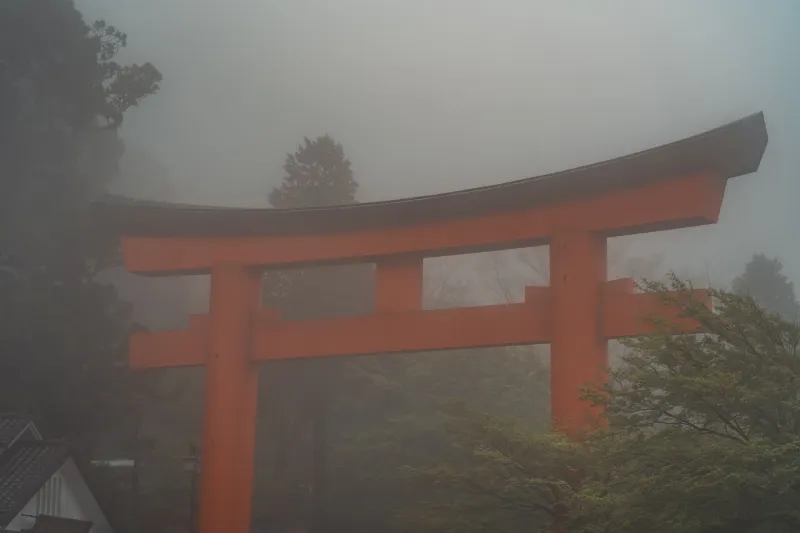
Katori Jingu is one of only a handful of shrines in Japan designated as chokusha, meaning it historically received direct imperial patronage. The main hall, rebuilt in the early 18th century, features stunning architectural detail in a style called gongen-zukuri, where the main and inner sanctuaries are connected under a single sweeping roof. The approach path winds through towering Japanese cedar trees that are hundreds of years old, and on a misty morning, the atmosphere is genuinely otherworldly.
The shrine is dedicated to Futsunushi-no-Mikoto, a deity associated with swordsmanship and military valor. For centuries, samurai made pilgrimages here before battle. Today, people come to pray for success in competitive endeavors — exams, sports, business. It's a tradition that's remarkably unbroken.
Practical tip for US visitors: Katori Jingu is about 90 minutes from Tokyo Station by train and bus. Combine it with nearby Kashima Jingu across the prefectural border in Ibaraki for a full-day sacred site experience that locals call the "Kashima Katori" pilgrimage route.
Tamasaki Shrine: Where the Sea Meets the Sacred
Head down toward the Pacific coast and you'll find Tamasaki Shrine in Ichinomiya, a spot that carries serious spiritual weight among fishing communities along the Kujukuri coastline. The shrine sits near the beach, and the juxtaposition of ancient wooden structures against the open ocean is genuinely striking.
Tamasaki is dedicated to Tamayori-hime, a goddess associated with water and purification. Historically, the shrine served as a spiritual anchor for fishing villages that depended on the sea for survival — and still do. The annual Tamasaki Matsuri festival, typically held in late summer, involves elaborate processions and ritual offerings that reflect this maritime heritage in ways that feel completely authentic rather than staged.
For American visitors, this is the kind of experience that's hard to put into words when you get home. It's not a museum. It's not a performance. It's just a community doing what it's done for generations, and you happen to be there to witness it.
Chiba Shrine: The Urban Sacred Space You'll Walk Past in Downtown
Not all of Chiba's spiritual landmarks require a countryside expedition. Right in the middle of Chiba City — easily reachable by train from Tokyo — sits Chiba Shrine, a compact but historically significant site that most visitors to the city completely overlook.
Founded over a thousand years ago, the shrine is dedicated to Myoken Bosatsu, a deity associated with the North Star and, by extension, navigation and guidance. The Chiba clan, the powerful medieval family that gave the prefecture its name, were devoted patrons of this shrine. Walking the grounds, you're essentially walking through the spiritual heart of Chiba's own origin story.
The shrine hosts a major festival in late October called Myoken Matsuri, featuring portable shrine processions, traditional music, and the kind of neighborhood energy that makes you realize how deeply these institutions are still woven into daily Japanese life.
Seasonal Rhythms: When to Go and What to Expect
Chiba's shrine circuit shifts character dramatically depending on the season, and that's part of what makes it worth planning carefully.
Spring brings cherry blossoms to shrine grounds across the prefecture, with Katori Jingu's approach path offering some of the most photogenic bloom scenes you'll find anywhere outside of Kyoto's famous spots — again, without the crowds.
Summer is festival season. The matsuri calendar from July through September is packed, and attending even one local shrine festival gives you insight into Japanese community life that no amount of museum-going can replicate.
Autumn is arguably the best overall time to visit. The cedar and maple trees around mountain shrines turn spectacular colors, the weather is comfortable by most American standards, and the quieter crowds mean you can actually sit in a shrine garden and absorb the atmosphere.
Winter has its own appeal. New Year's (Shogatsu) is the busiest shrine season in Japan, and even smaller Chiba shrines draw significant local crowds for hatsumode — the first shrine visit of the year. Witnessing this tradition is genuinely moving if you're open to it.
Getting Around: A Few Honest Tips
Chiba's shrine circuit isn't always the easiest thing to navigate without some planning. A few things worth knowing before you go:
- Rent a car if you want to explore the Boso Peninsula shrines at your own pace. Public transit covers the major sites but can be slow and infrequent in rural areas.
- Download Google Maps offline for the Chiba region. Rural shrine signage is often exclusively in Japanese.
- Bring cash. Many smaller shrines have omamori (protective charms) and omikuji (fortune slips) available, and vendors are almost never card-friendly.
- Dress modestly. This sounds obvious but it's worth repeating — shoulders covered, nothing too short. You're visiting active places of worship, not heritage sites.
The Bigger Picture
There's something genuinely refreshing about exploring a spiritual landscape that hasn't been packaged for international consumption. Chiba's shrines aren't performing for you. They're just there, doing what they've always done, serving the communities that built them and the traditions that keep them alive.
That's rarer than it sounds in modern Japan, and it's exactly what makes a Chiba shrine circuit worth building a trip around. Skip the lines at Senso-ji. Take the train east instead. The torii gates are waiting.