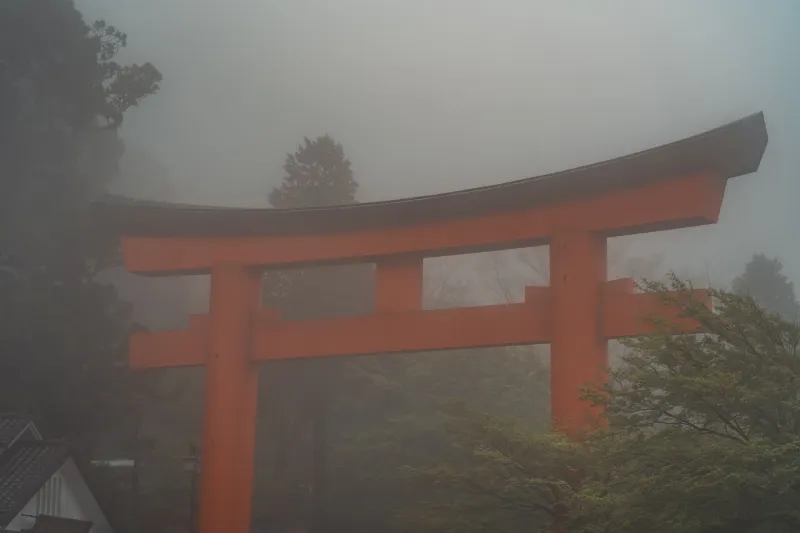
Forget Hollywood: Chiba's Hidden Ninja Mansion Tells the Real Story of Japan's Shadow Warriors
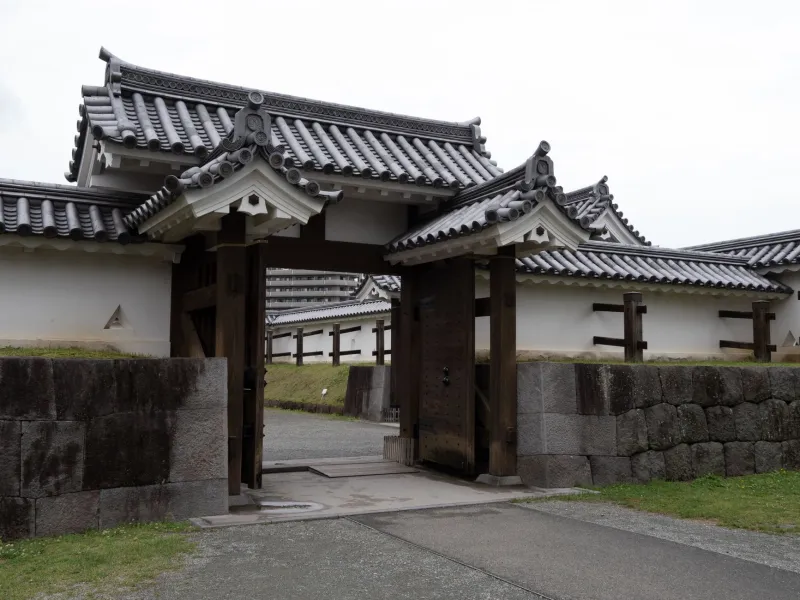
Let's be honest: most Americans learned everything they think they know about ninja from a Saturday morning cartoon or a blockbuster action movie. Black-clad figures dropping from rooftops, throwing stars flying through the air, maybe a dramatic smoke bomb exit. It's a fun image. It's also almost entirely fiction.
Hidden in plain sight in Chiba Prefecture — just a short trip from Tokyo but worlds away from the tourist crowds — a reconstructed ninja estate called Ninja Yashiki is doing the quiet, unglamorous work of setting the record straight. And honestly? The real story is way more interesting than the Hollywood version.
What Even Is Ninja Yashiki?
Ninja Yashiki translates roughly to "ninja mansion" or "ninja estate," and the one in Chiba is a carefully reconstructed example of the kind of fortified rural home that historical ninja — or shinobi, as they were more commonly known in feudal Japan — might have actually inhabited and operated from.
Unlike the theme park versions you'll find hawking souvenir shuriken near Kyoto, this attraction leans hard into the architectural and historical details. The structure itself is designed around the real defensive and concealment features that made these homes functional tools of espionage: hidden compartments, trapdoor passages, rotating wall panels, and rooms arranged specifically to disorient unwanted visitors. Walking through it feels less like a theme park ride and more like a puzzle box built to human scale.
For American visitors used to history museums that keep everything behind velvet ropes, the hands-on nature of the experience is genuinely refreshing. You're encouraged to poke around, discover things, and piece together how the space would have actually been used.
The Chiba Connection: Shinobi Clans in the Kanto Region
Here's what most visitors — even Japanese ones — don't fully appreciate: Chiba Prefecture has a legitimate, deep connection to shinobi history that goes far beyond a reconstructed building.
During the Sengoku period (roughly the 15th and 16th centuries), the Kanto region was a hotbed of clan warfare. The powerful Satomi clan controlled much of what is now Chiba, and like every major feudal power of the era, they relied heavily on intelligence networks — people who could move undetected, gather information, and when necessary, carry out covert operations. These weren't cartoon characters. They were, in essence, the intelligence operatives of their time.
While the most famous shinobi clans — Iga and Koka — operated further west in the Mie and Shiga regions, the Kanto area had its own networks of practitioners, sometimes called Bando ninja (ninja of the Bando, an old name for the Kanto plain). Chiba's geography, with its dense forests, river systems, and proximity to both the coast and the capital region, made it a natural staging ground for this kind of covert activity.
The historical record on these figures is, by design, sparse. Good spies don't leave paper trails. But what Ninja Yashiki and the surrounding museum materials do well is contextualizing the fragments of evidence that do exist — clan records, architectural studies, and material culture — into something coherent and genuinely educational.
Why American Pop Culture Got It So Wrong
It's worth spending a minute on just how thoroughly Western media has distorted the shinobi image, because understanding the gap makes Chiba's version of the story hit harder.
The Hollywood ninja emerged largely in the 1980s, filtered through decades of martial arts film misinterpretation. By the time G.I. Joe and countless low-budget action movies got done with the concept, the shinobi had been transformed into something closer to a superhero than a historical profession. Supernatural abilities, near-invincibility, and a wardrobe seemingly designed for maximum visibility (seriously, all-black clothing would have made a night operative more visible against the night sky, not less) became the defining characteristics.
The real shinobi were remarkable not because of mystical powers but because of their training, patience, and adaptability. Historical manuals like the Bansenshukai — an actual 17th-century ninja encyclopedia — describe skills ranging from meteorology and psychology to pharmacy and disguise. These were people who understood human behavior well enough to manipulate it, who could read weather patterns to plan operations, and who were trained in a dizzying range of practical disciplines. That's genuinely impressive. It just doesn't make for a clean movie poster.
Chiba's Ninja Yashiki leans into this complexity, which is exactly why it rewards curious visitors more than it rewards people looking for a theme park photo op.
How to Actually Get the Most Out of Your Visit
If you're making the trip — and you should — a few tips will help you get beyond the surface level.
First, go with a guide or an audio guide if one's available. The architectural details are dense, and without context, some of the most fascinating features of the building can look like just... walls. Understanding why a room is shaped a certain way, or what a particular sliding panel was designed to accomplish, transforms the experience entirely.
Second, pair the visit with some background reading on the Sengoku period more broadly. Even a basic understanding of the clan rivalries and political chaos of the era makes the practical logic of shinobi operations click into place. These weren't random shadowy figures — they were professionals operating in a specific, desperate historical context.
Third, give yourself more time than you think you need. It's easy to underestimate how much there is to absorb, especially if you're the kind of person who likes to actually think about what you're looking at rather than just take a selfie and move on.
Chiba's Quiet Advantage
There's something that keeps coming up when you talk to people who've spent real time in Chiba Prefecture: the sense that the place operates on its own terms, slightly apart from the relentless tourism machine that shapes the experience of more famous Japanese destinations.
Ninja Yashiki is a perfect example of this. It's not trying to compete with the big Kyoto attractions or the flashier ninja experiences elsewhere. It's doing its own thing — methodical, historically grounded, a little understated — and that's exactly what makes it worth seeking out.
For American visitors who've already done the major Tokyo highlights and are looking for something that actually surprises them, this is the kind of place that delivers. Not because it's spectacular in an obvious way, but because it hands you a genuinely different lens for understanding a piece of Japanese history that you thought you already knew.
Turns out you didn't. And that's kind of the whole point.