Dirt Under Their Nails, Apps on Their Phones: Chiba's New Wave of Forest Foragers
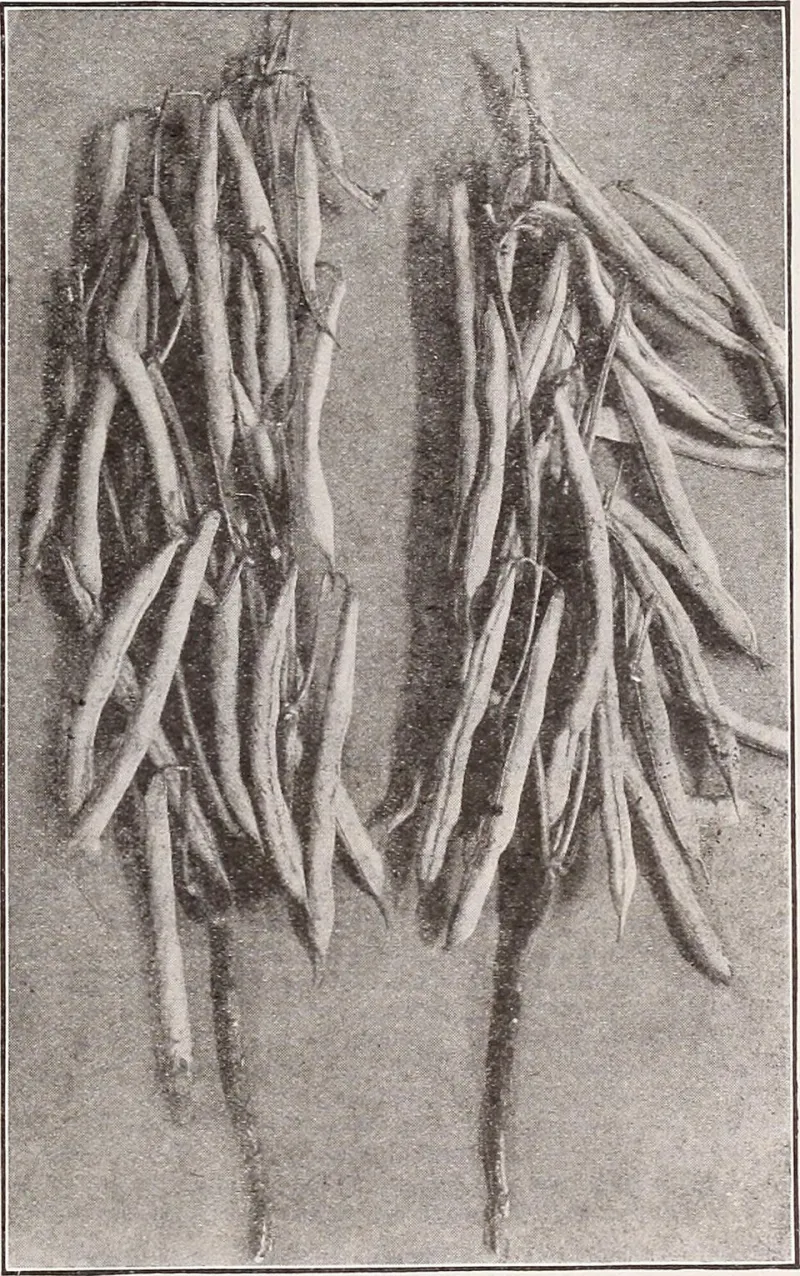
Photo: Internet Archive Book Images, No restrictions, via Wikimedia Commons
On a foggy Saturday morning in late October, Keiko Matsumoto — 29, Tokyo-born, currently based in Chiba City — is crouched beside a rotting cedar log in a forest most people drive straight past on their way to Narita Airport. She's not lost. She's looking for matsutake.
"People think you have to go to Kyoto or deep Nagano to find good mushrooms," she says, brushing aside a layer of pine needles with the kind of focus usually reserved for surgeons. "But Chiba has been here the whole time. Most people just never looked."
Keiko is part of a loose but growing community of millennial and Gen Z foragers who are quietly reclaiming Chiba's woodlands — not as a survival skill or a weekend hobby, but as something closer to a philosophy. Call it slow living with spores.
The Forests Everyone Forgot
Chiba Prefecture doesn't exactly scream "wilderness destination." Sandwiched between Tokyo's sprawl and the Pacific coast, it's better known for Disneyland, soybeans, and the world's busiest airport. But venture inland — past the suburban housing developments and the convenience store clusters — and you'll find something genuinely surprising: dense, mixed forests of oak, cedar, and pine that stretch across the Boso Peninsula and the Kujukuri Plateau, largely untouched and almost completely unknown to outsiders.
These woods have been foraging grounds for centuries. Rural Chiba communities relied on seasonal forest harvests long before supermarkets existed, gathering everything from wild vegetables to medicinal bark. Mushrooms were central to that tradition — not as a delicacy, but as a staple. Grandmothers knew which logs to check in November. Farmers could identify a dozen edible species by smell alone.
That knowledge nearly died out in the postwar economic boom, when younger generations moved to cities and the old ways got filed under "things your grandparents did." But something has shifted in the past few years, and Chiba's forgotten forests are getting a second look.
Why Now? Why Mushrooms?
Talk to any of the foragers gathering on weekends in these woods and you'll hear a few recurring themes: burnout, disconnection, and an almost desperate craving for tactile, unmediated experience.
"I was doing 70-hour weeks in Shinjuku," says Daisuke Ohara, 33, who now leads informal foraging walks through the hills near Ichihara. "I started foraging almost as a joke — a friend sent me a YouTube video — and the first time I found a shimeji cluster on my own, I genuinely cried. I don't fully understand it even now."
That emotional response isn't unusual. Researchers studying nature-based therapies have long documented the calming effects of forest immersion — what the Japanese call shinrin-yoku, or forest bathing. Foraging adds an active, goal-oriented layer to that experience, giving participants something to focus on beyond their own thoughts. You're not just walking through trees. You're reading the forest like a text.
For expats living in the greater Tokyo-Chiba metro area, the appeal has a slightly different flavor. Marcus Webb, a 36-year-old graphic designer from Portland, Oregon, started foraging after a Japanese colleague mentioned it offhandedly at lunch.
"Back home I'd done some chanterelle picking in the Cascades," he says. "But foraging in Japan feels different — more ritualized, more connected to something older. And the species here are completely different from anything I'd encountered. There's a learning curve that keeps it interesting."
What's Growing Out There
Chiba's forests offer a surprisingly diverse mushroom calendar. Spring brings kogane-takenoko and various oyster mushroom varieties. Summer is quieter but rewards patient hunters with scattered finds. The real action starts in autumn.
Matsutake — the prized, pine-scented mushroom that can fetch hundreds of dollars per kilogram at Tokyo's Tsukiji market — does grow in Chiba, though finding a good patch requires both knowledge and discretion. Experienced foragers guard their spots the way fishermen guard their best reefs.
More accessible, and arguably more interesting to newcomers, are the region's abundant nameko (slippery, amber-capped, perfect for miso soup), maitake (hen-of-the-woods, with its dramatic frilly clusters), and hon-shimeji, the true shimeji that serious cooks prize over the cultivated variety sold in grocery stores. Chiba's coastal humidity and mixed forest composition create conditions that support an unusually broad range of species within a relatively compact area.
"What I love about Chiba specifically," says Keiko, "is that you can find three or four totally different species in a single two-hour walk. It's not like you have to hike for six hours to get to the good stuff. The access is part of what makes it feel possible for regular people."
The Social Media Dimension
It would be incomplete to talk about this revival without acknowledging the role of Instagram, TikTok, and a handful of Japanese foraging apps that have quietly turbocharged the community. What was once knowledge passed down through family networks is now being rebuilt digitally, through tagged locations (often deliberately vague), species identification threads, and short-form videos that make the whole thing look arrestingly beautiful.
The aesthetic is a big part of the draw. Mushrooms photograph extraordinarily well — the textures, the colors, the contrast of organic forms against dark forest soil. A well-composed matsutake shot can pull serious engagement. Some foragers have built small but devoted followings simply by documenting their walks with care.
But the community is also notably protective of its spaces. Coordinates are rarely shared publicly. Group walks are invitation-only. There's an unspoken ethic around sustainable harvesting — taking only what you'll use, leaving root systems intact, not trampling regenerating growth — that feels less like a rule and more like a shared value.
"The moment this becomes a trend where people are just stripping forests for content, it's over," says Daisuke flatly. "We're very conscious of that."
Where Food Meets Philosophy
For many in this scene, the foraged mushroom doesn't end its journey in the forest. It ends on a plate — or in a bowl, or a broth — cooked with the kind of attention that only comes from having personally hunted the ingredient.
Small underground supper clubs have started appearing in Chiba City and the surrounding area, where foraged ingredients anchor seasonal menus served to a dozen people in someone's apartment. No reservations system. No Yelp listing. You hear about it from someone who heard about it from someone else.
"There's something about eating a mushroom you found yourself," says Marcus. "It changes the flavor, or at least it changes how you experience the flavor. You're not just eating dinner. You're eating the whole morning in the woods."
That kind of sentiment — earnest, a little romantic, completely sincere — runs through this whole movement. It's not ironic. It's not performative. These are people genuinely trying to reconnect with something that got lost in the sprint toward modernity, and they've found it, improbably, in the quiet forests of a prefecture most visitors never bother to explore.
Chiba, it turns out, has been waiting patiently in the undergrowth all along.