Lights, Camera, Chiba: The Forgotten Filmmaking Heartland That Shaped Japanese Cinema
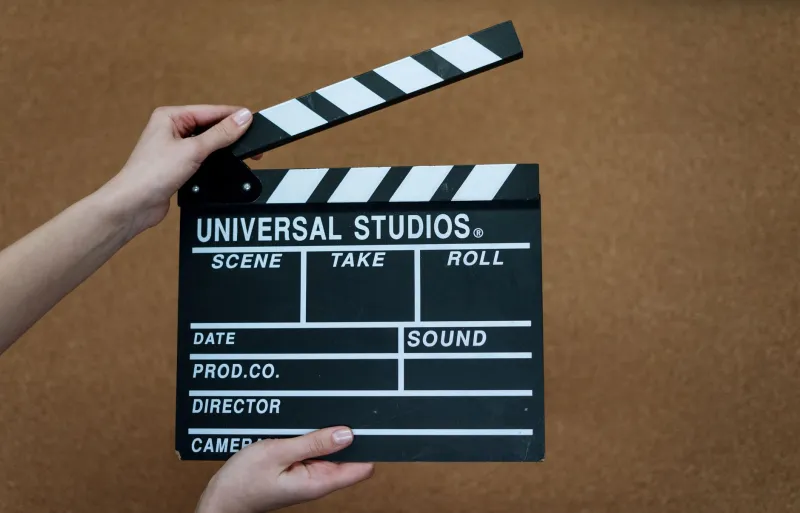
When most Americans think about Japanese film history, their minds jump straight to Tokyo — the neon-lit backdrop of countless dramas, or maybe Kyoto's temples standing in for feudal Japan. But tucked just east of the capital lies a prefecture with a cinematic legacy so rich and so overlooked that even many locals don't fully appreciate what happened here. Chiba wasn't just adjacent to Japan's entertainment industry during the postwar boom years. In many ways, it was the industry.
A Studio Scene Born from Postwar Ambition
The late 1940s and early 1950s were a remarkable time for Japanese filmmaking. With the country rebuilding after World War II, audiences were hungry for escapism, and studios were racing to meet that demand. Land outside central Tokyo was affordable and expansive — exactly what production companies needed to construct elaborate outdoor sets, backlots, and soundstages. Chiba, with its flat terrain, coastal access, and proximity to the capital, became an obvious choice.
Several mid-sized studios established operations throughout the prefecture during this era, particularly in areas around Ichikawa and Chiba City. These weren't small-time operations. Full-scale period villages, samurai castle facades, and even replicated urban streetscapes were constructed on Chiba soil. The films shot here ranged from beloved jidaigeki (period dramas) to contemporary family pictures that defined the tastes of an entire postwar generation.
Local historian Keiko Matsumoto, who has spent over two decades documenting Chiba's entertainment legacy, puts it plainly: "People always look to Kyoto or Tokyo when they research Japanese film history. But so much of what audiences watched between 1950 and 1975 had Chiba dirt on its shoes."
The Studios Themselves: What Remains
Of course, the golden age didn't last forever. As the Japanese film industry contracted in the late 1970s — squeezed by television and shifting audience habits — many of the studios closed or repurposed their facilities. Some lots were converted into housing developments. Others became shopping centers or light industrial parks, with barely a plaque to mark what once stood there.
But not everything disappeared.
In Ichikawa City, a preserved section of what was once a mid-century studio backlot still stands, maintained partly through local government initiative and partly through the passionate advocacy of a small group of film preservation volunteers. The structures aren't grand — a few wooden facades, a partially restored prop warehouse — but walking through them feels genuinely transporting. On a quiet weekday morning, with the sounds of the city muffled by surrounding trees, it's easy to imagine a director calling "action" somewhere just out of frame.
Further south, near the Chiba City waterfront, a former soundstage building has been repurposed as a community arts center. The building's exterior still bears faint traces of its original signage, and the interior — now used for local theater productions and art exhibitions — retains the high ceilings and open floor plan that once accommodated film equipment. Staff members there are usually happy to chat about the building's history if you ask.
Finding the History: A Practical Guide for Visiting Cinephiles
For American visitors with a serious interest in film history, Chiba offers a genuinely rewarding — if unconventional — pilgrimage route. Unlike, say, Universal Studios Hollywood, this isn't a packaged experience. It requires a bit of legwork, some curiosity, and a willingness to find meaning in subtle details rather than grand monuments.
The best starting point is the Chiba City Museum of Art, which periodically mounts exhibitions touching on regional cultural history, including cinema. Even when film isn't the primary focus, the museum's research library holds archival materials — photographs, production documents, promotional posters — that offer a window into what this area once looked like when cameras were rolling.
From there, a day trip to Ichikawa is easy via the Sobu Line from Tokyo's Akihabara or Shinjuku stations. The preserved backlot section isn't heavily advertised, so it's worth contacting the Ichikawa City Cultural Properties Division ahead of your visit to confirm access hours and get directions. Google Maps won't always help you here — this is the kind of place you find through a phone call or a conversation with someone at a local tourism office.
For those who read Japanese (or travel with someone who does), the Chiba Prefectural Library in Chiba City maintains a dedicated local history collection that includes materials specifically related to the entertainment industry. Researchers and curious visitors are welcome.
Why This History Matters to American Audiences
Japanese cinema's golden age didn't exist in isolation. Directors like Akira Kurosawa were actively studied and celebrated by American filmmakers during this same period — Seven Samurai directly inspired The Magnificent Seven, and the influence rippled outward from there. When you stand on ground where some of those films were made, or where contemporaries of those legendary directors were building their own craft, you're touching a thread that connects directly to Hollywood history.
Beyond the film-nerd angle, there's something quietly moving about visiting a place that shaped culture without ever seeking credit for it. Chiba has always been a working prefecture — practical, unpretentious, more interested in getting things done than in branding itself. That the film industry thrived here for decades, then faded without much fanfare, feels very much in keeping with the local character.
Keeping the Story Alive
A handful of dedicated locals are working to make sure Chiba's cinematic past doesn't vanish entirely. Small film festivals celebrating regional history pop up occasionally, often organized through community centers or university film clubs. Local publications — including some available at tourist information offices near Chiba Station — document the prefecture's entertainment legacy in accessible formats.
If you visit and find yourself moved by what you discover, consider supporting these preservation efforts. Even something as simple as buying a locally produced book about Chiba's film history puts money toward keeping the story alive.
Chiba has never needed the spotlight. But for those willing to look a little closer, the stories waiting here — of directors, set builders, actors, and the communities that supported them — are as compelling as anything playing at your local multiplex right now. Sometimes the best films are the ones nobody told you to watch.